
Request a used car part
Three short steps help us identify the correct component before we check stock: your vehicle, the part itself, then your contact and delivery preferences.
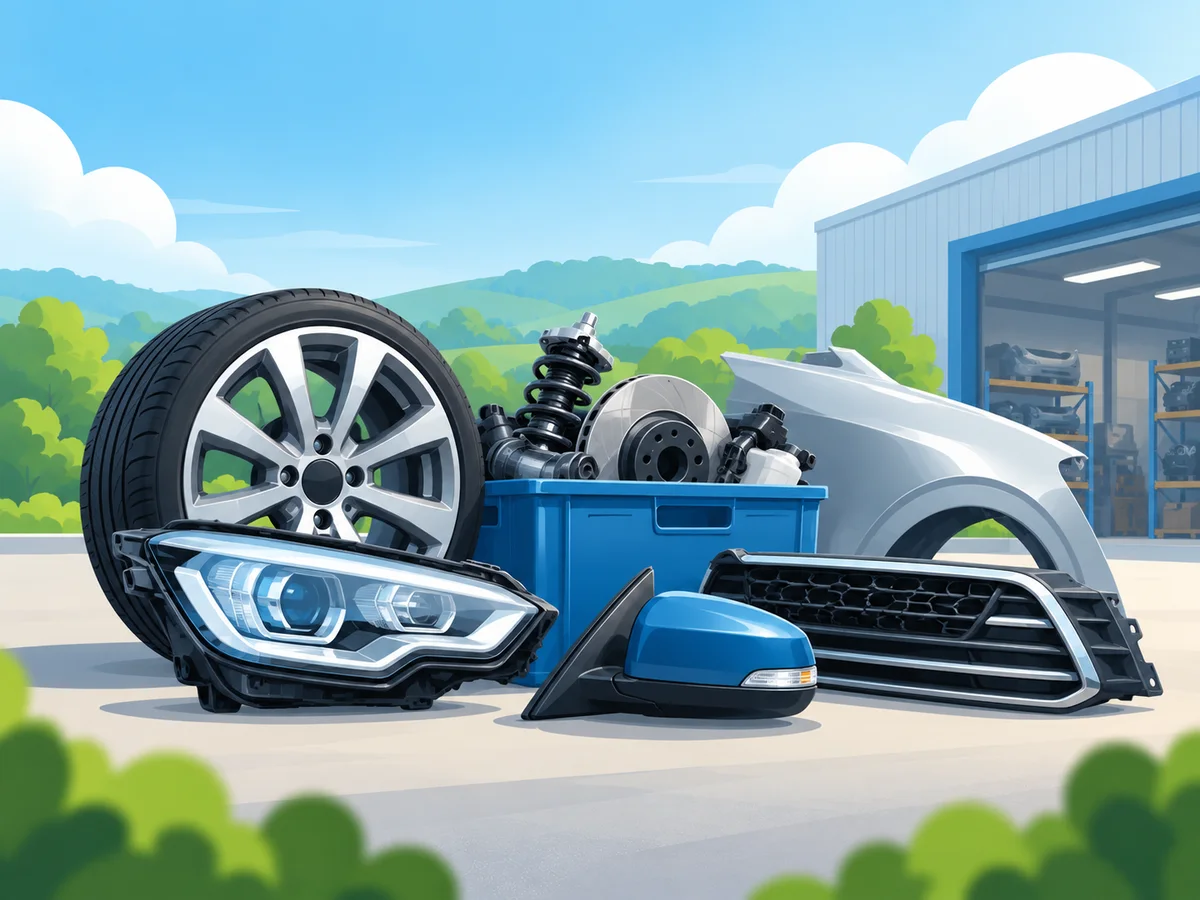
The more precise the enquiry, the easier the match
A registration, year and engine can narrow the search quickly. For parts that changed across trim levels or model facelifts, a part number or photograph is even better. You do not have to know everything — just send what you can see.
What happens after the enquiry?
The team checks the information against current stock and, where necessary, asks for an extra detail before confirming a match. Because used-parts inventory changes every time a donor vehicle arrives or a component is sold, an enquiry is more reliable than a static list that may already be out of date.
If a suitable part is available, we can confirm its condition, price and whether collection or delivery is practical. Larger or heavier components may require collection or specialist transport, while smaller items can often be handled more simply. Do not book labour with a garage until the part and compatibility have been confirmed.
If you are not sure what the part is called
That is not a problem. Describe where it sits on the vehicle, what it does, what the garage called it, or what is visibly broken. A photograph can often identify a body or trim item faster than the perfect technical term. For mechanical parts, ask the garage for any code or part number from the failed unit. The goal is to identify the component accurately, not to test your automotive vocabulary.